- Location
- Austin, TX 78758
- Project Type
- Commercial
- Service Provided
- Commercial AC Diagnostic Service
Project overview
The six-image archive records several sides of a commercial cooling diagnostic: a clamp meter at the equipment, a Fieldpiece measurement screen, return-air filters, two control-board display messages, and a drain pan containing water and visible sediment.
This project record is based on the complete photo set supplied for the property. The street address is retained only as an internal reference; the public-facing copy uses Austin, TX for useful local context without repeatedly publishing the site address.
HVAC Equipment and Visible Conditions
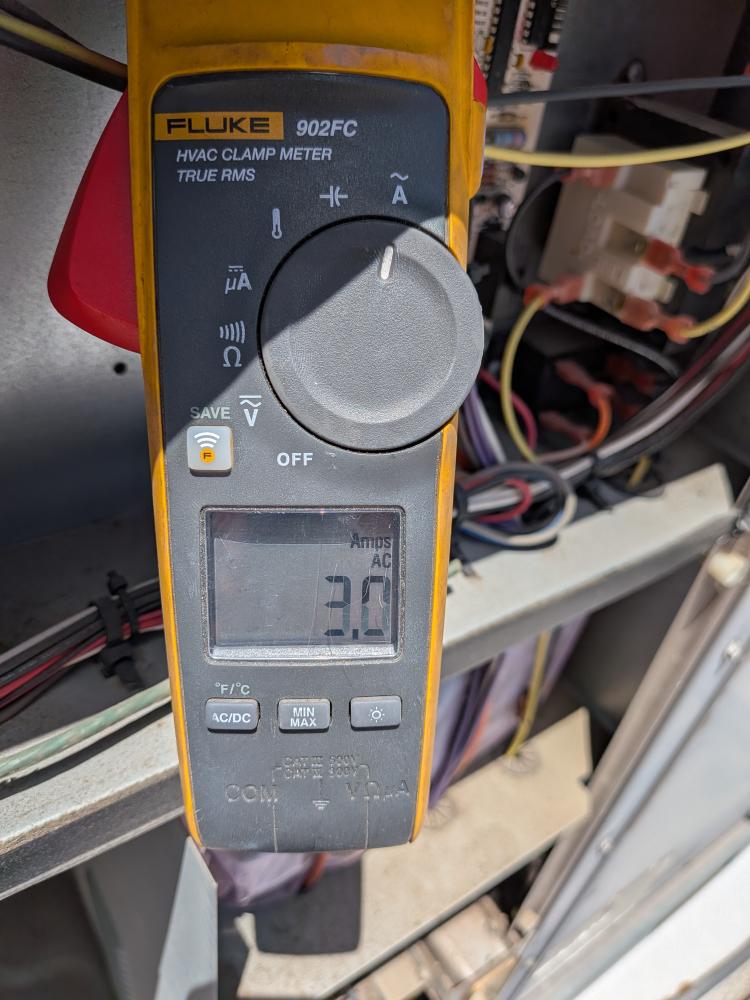
A clamp meter display reads approximately 3.0 during an electrical check. The photograph records that condition at the time of the visit; it does not, by itself, establish a failure or prove a completed repair.
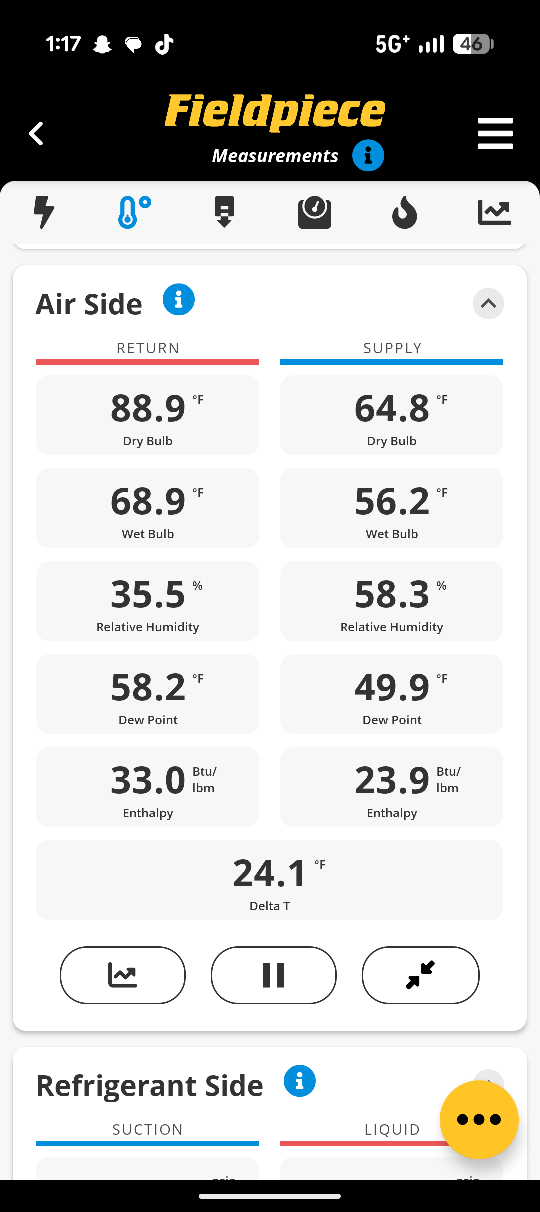
A Fieldpiece screen shows multiple air-side and refrigerant-side temperature channels. The photograph records that condition at the time of the visit; it does not, by itself, establish a failure or prove a completed repair.
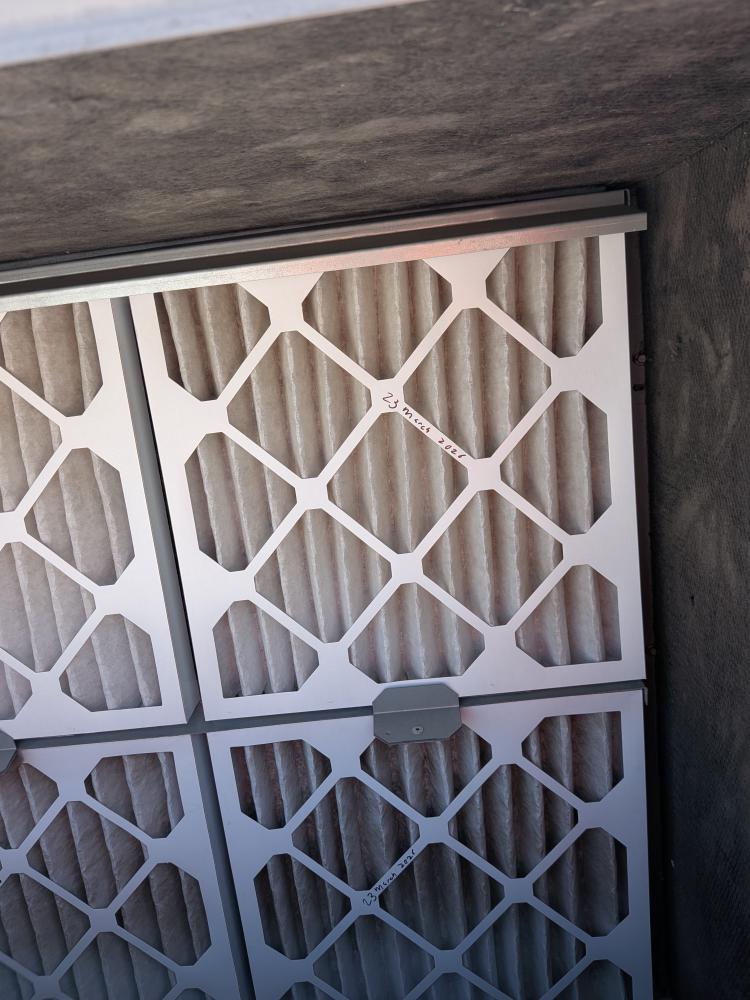
The pleated filters have visible gray loading across their surfaces. The photograph records that condition at the time of the visit; it does not, by itself, establish a failure or prove a completed repair.
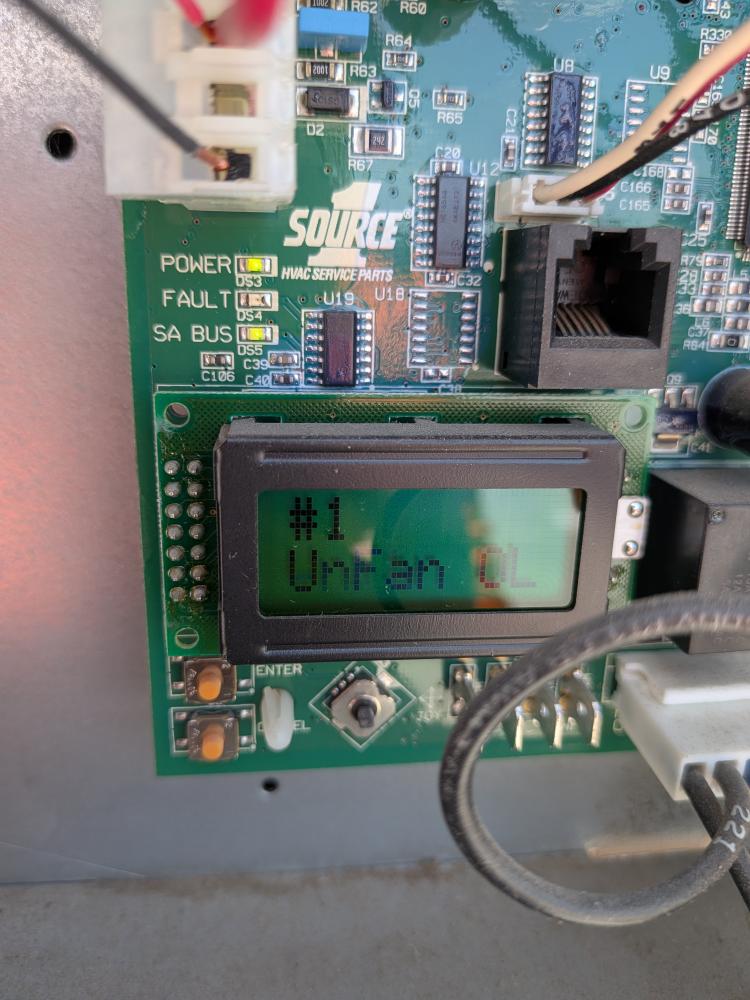
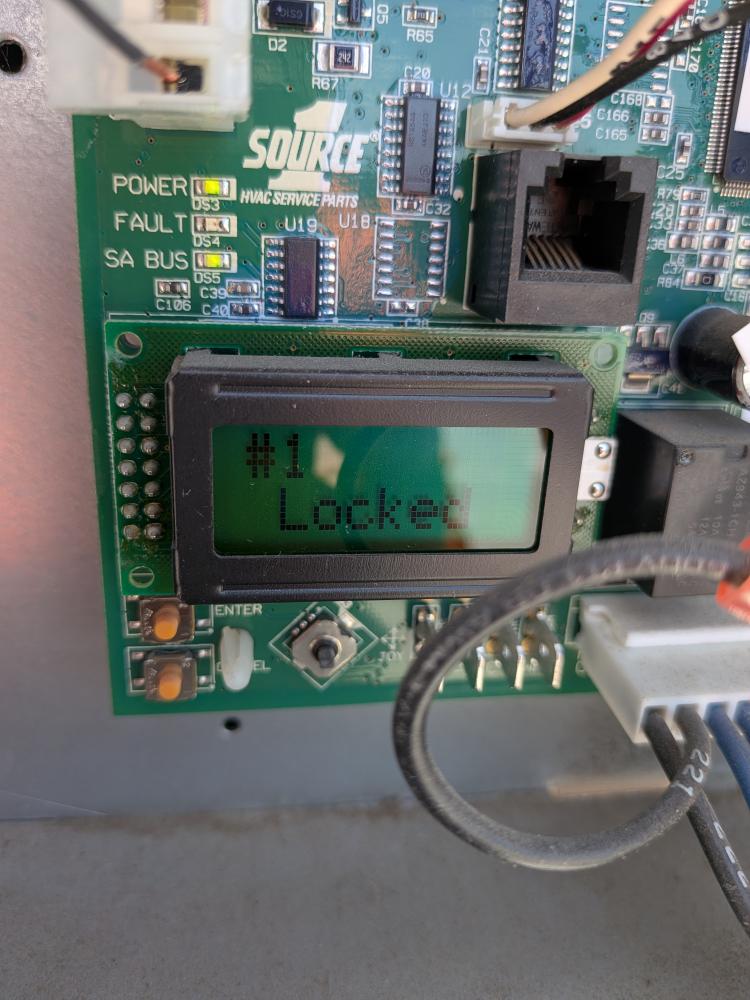
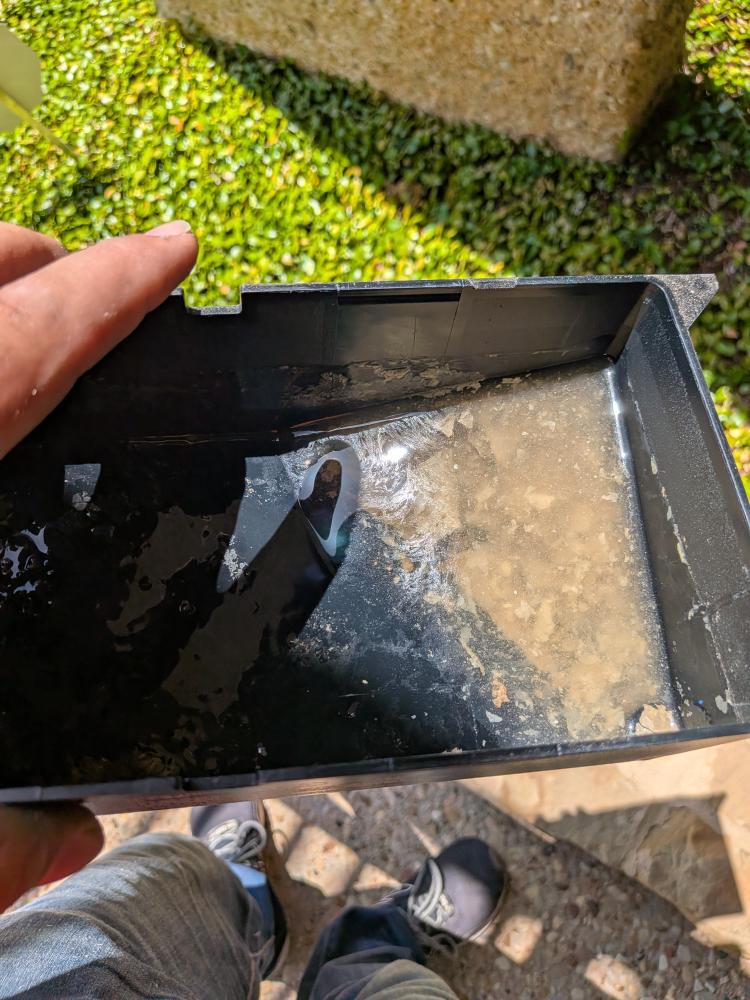
The control display changes between messages, and the drain pan contains standing water with visible debris. The photograph records that condition at the time of the visit; it does not, by itself, establish a failure or prove a completed repair.
What the Measurements Document
The Fieldpiece image includes readable values around 88.9, 64.8, 68.9, 56.2, 35.5, and 58.3 degrees. The control board also displays status text. Without the complete sequence, equipment manual, and probe locations, those screens are documented rather than interpreted as a fault code or final diagnosis.
Instrument screens and equipment labels are useful snapshots, but they need to be read in context. A displayed temperature, current, humidity, or pressure is reported here only when it is legible in the image. The photographs do not supply the complete test procedure, operating mode, manufacturer target, or final service result, so this project page does not turn an isolated number into a diagnosis.
Why These Checks Matter
Electrical current, temperature channels, filter condition, control status, and drainage are distinct diagnostic clues. Standing water or debris deserves attention because condensate must leave the equipment reliably, but a photograph alone cannot determine whether a line was blocked or what corrective work followed.
For an HVAC visit, documenting the air side, refrigeration side, electrical components, controls, drainage, and the occupied space creates a more useful record than photographing one component alone. It allows visible conditions to be compared with the readings captured during the same visit while keeping conclusions limited to what the photos support.
Commercial AC Diagnostic Service in Austin, TX
For commercial suites on Metric Boulevard, a North Austin AC diagnostic visit needs to account for equipment operation and the air and water paths around it. Recording each visible condition helps build a useful maintenance history without overstating what was resolved.
Routine inspection and maintenance can reveal restricted filters, debris at heat-transfer surfaces, drainage concerns, loose or altered wiring, and control messages before they are overlooked. Any repair recommendation still depends on a technician testing the equipment on site. This portfolio entry therefore describes the documented equipment, conditions, and readings without promising a result that the images cannot verify.
Project photos
Have a project like one of these?
Need commercial or residential HVAC service in Austin or Cedar Park? Contact Alpine to schedule professional HVAC service.